
Men of the Day
Most of my blog posts over the years have concerned my entomological Champion and/or Walker ancestors, but I recently experienced a rather wonderful coincidence that led me to write this post about a remarkable forebear of mine on another side of my family, that of my father's mother, Julia (Judy) Stewart.
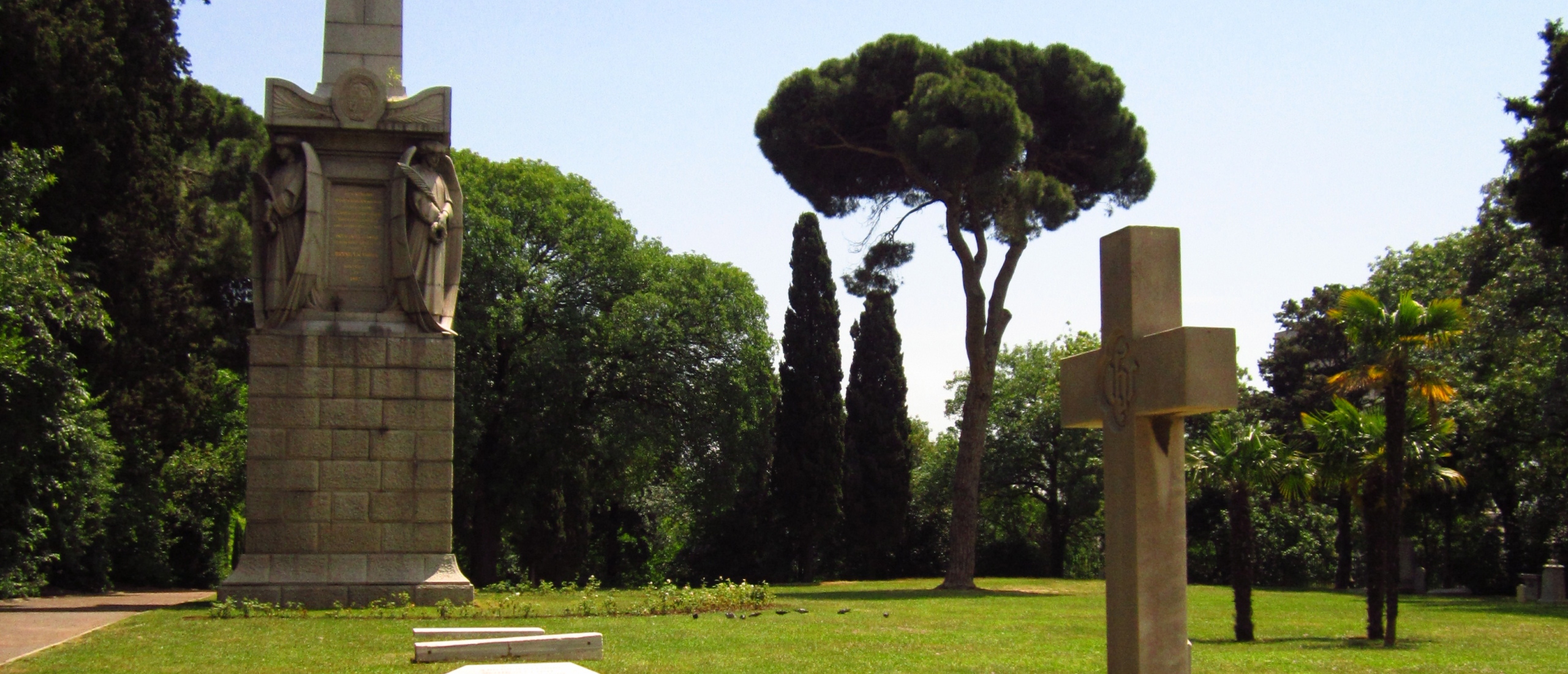
Her mother, Frances Jane Hobart (pronounced Hubbet) Hampden, wife of Major-General Sir Keith Stewart KCB DSO, was niece of an outstanding but largely, and undeservedly, forgotten character, "Augustus Charles Hobart Hampden, who was born in Leicestershire, the third son of the 6th Earl of Buckinghamshire. In 1835 he entered the Royal Navy and served as a midshipman on the coast of Brazil in the suppression of the slave trade, displaying much gallantry in the operations. In 1855 he took part, as captain of HMS Driver, in the Baltic Expedition, and was actively engaged at Bomarsund and Åbo. In 1862 he retired from the navy with the rank of post-captain, but his love of adventure led him, during the American Civil War, to take the command of a blockade runner. He had the good fortune to run the blockade eighteen times, conveying war material to Charleston and returning with a cargo of cotton. In 1867 Hobart entered the Ottoman service, and was immediately nominated to the command of that fleet, with the rank of "Bahriye Livasi" (Rear-Admiral). In this capacity he performed splendid service in helping to suppress the insurrection in Crete, and was rewarded by the Sultan with the title of Pasha (1869). In 1874 Hobart, whose name had, on representations made by Greece, been removed from the British Royal Navy List, was reinstated; his restoration did not, however, last long, for on the outbreak of the Russo-Turkish war he again entered Ottoman service. On the conclusion of peace Hobart still remained in the Ottoman service, and in 1881 was appointed Mushir, or marshal, being the first Christian to hold that high office. He died at Milan on 19 June 1886" (Wikipedia), but his body was returned to Constantinople (Istanbul today), and he now lies in the Haydar Pasha British cemetery.
I visited his grave back in 2016, and wrote about my visit in my blog post then, viewable here:
https://james-champion.com/diary-2016/may-2016/saturday-28th-may-2016/
As a child and later into my life, one of the things I loved about our old family home in Galloway was being surrounded by history, with artifacts and pictures that provided a tangible link to my ancestors and the fascinating lives that they led. One of the pictures that particularly interested me was a caricature of Hobart Pasha, signed SPY, although I had never actually thought about who SPY might have been.
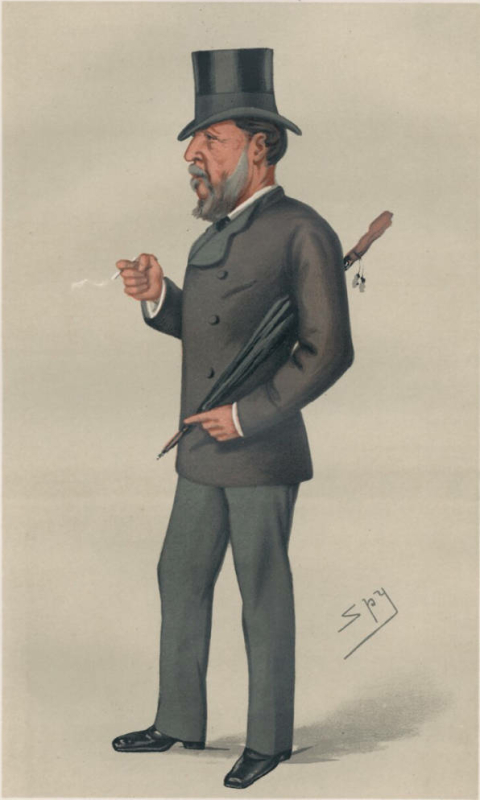 Hobart Pasha, by Sir Leslie Ward ("Spy"), published in Vanity Fair on 1st June 1878
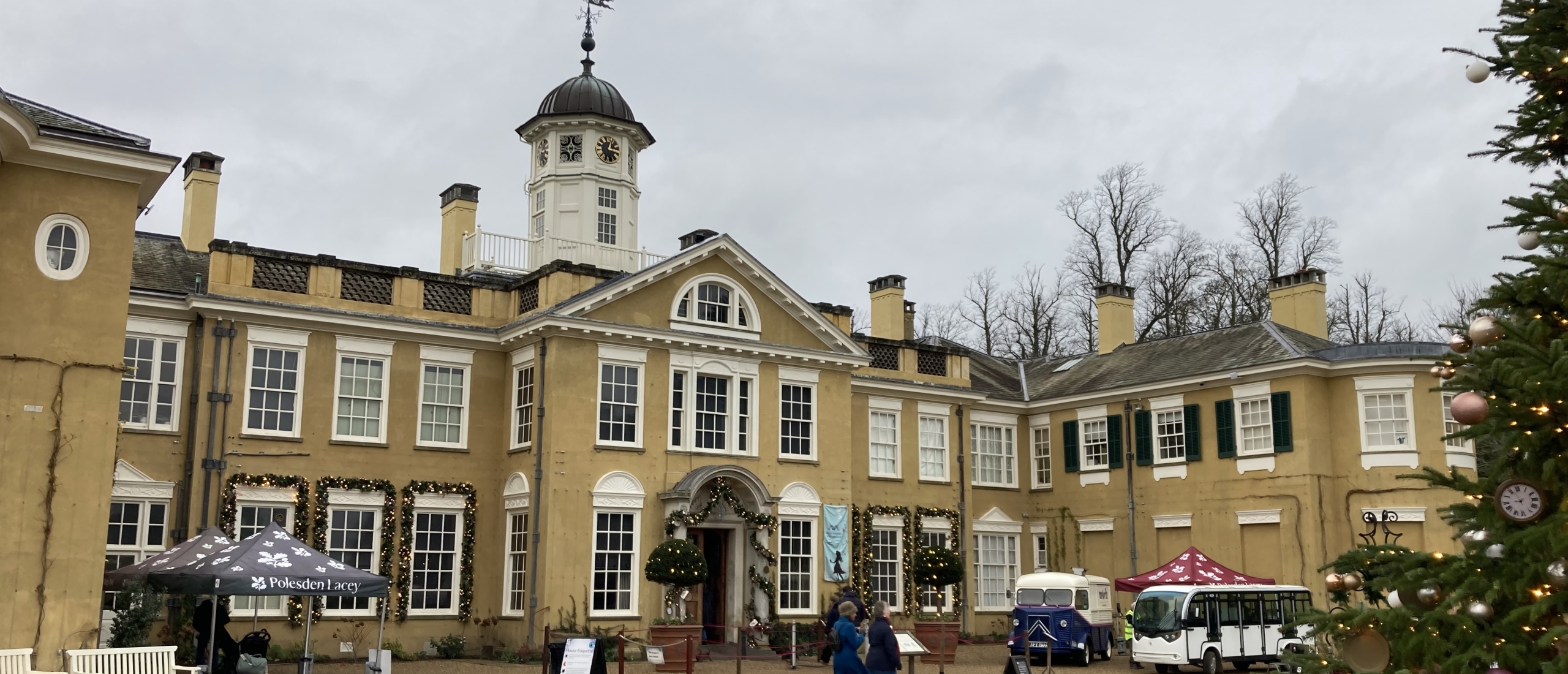
My ignorance of who "SPY" was suddenly came to an end recently when I was visiting Polesden Lacey, a National Trust property in Surrey, the former home of socialite Margaret Greville. The Trust's website gives the following description:
"The house was the weekend retreat of Margaret Greville. From brewer’s daughter to friend of Kings and Queens, the house is overflowing in rich social history. Remodelled by architects Mewès and Davis, hot off their successful refurbishment of the Ritz Hotel, the house interiors are a showpiece in their own right, brimming with opulence and luxury. Margaret Greville was a wealthy and discerning collector of art and objects. In her lifetime, she amassed a surprisingly varied collection including Dutch and British Masters, Italian and Sicilian Maiolica and fine French furniture."
https://www.nationaltrust.org.uk/visit/surrey/polesden-lacey
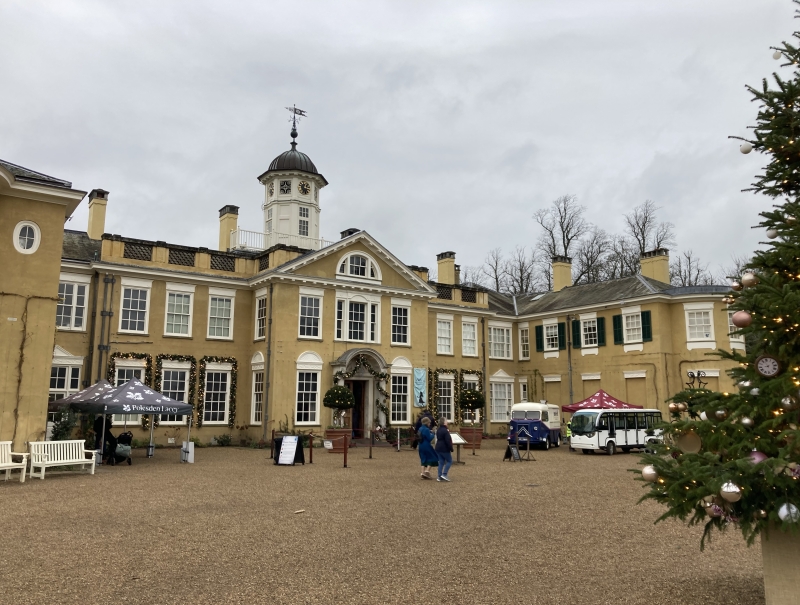 Polesden Lacey
As the weather was very disappointing on the day of my visit, I decided to wander through the house rather than doing a walk in the grounds as I had originally planned. Seeing any of the features of the house was made somewhat difficult by the fact that everything was covered in Alice in Wonderland-themed decorations, but when I reached the last room, my eyes were suddenly drawn to three framed pictures on the wall, all them caricatures, and all signed with the handwriting with which I was so familiar: SPY.
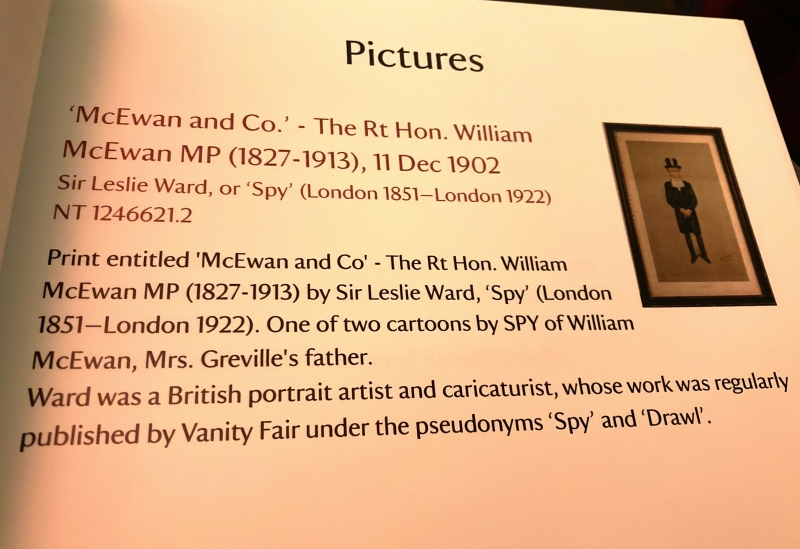
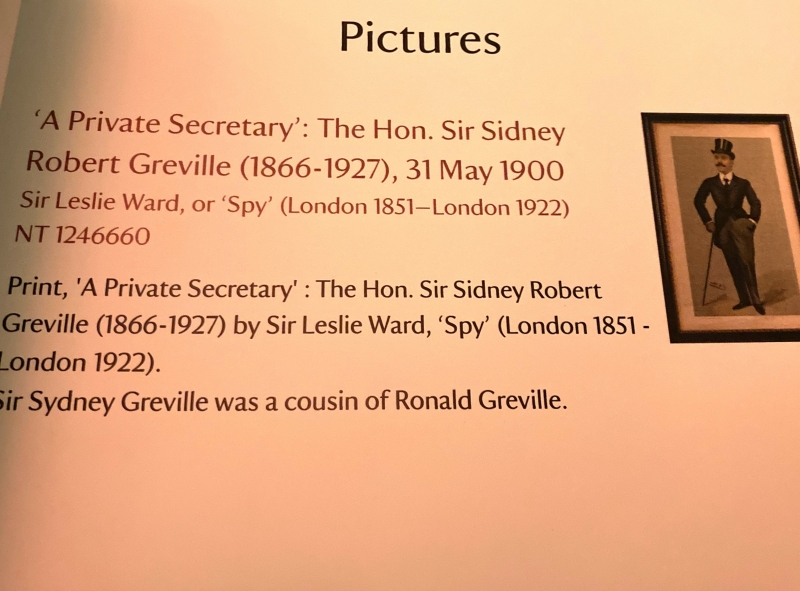
There appeared to be no information about these three caricatures, all of which were very similar in style to the one of Hobart Pasha, so I asked the attendant in the room if she knew anything about these images. She didn't, but she went off to find someone who did, and I was soon presented with a folder that explained the background behind each of these pictures, and I was delighted to learn more about the artist who signed himself as SPY, Sir Leslie Ward, who was the best known of an international group of artists who worked for Vanity Fair magazine. Sir Leslie and others produced caricatures of many of the leading characters of the day, including artists, athletes, royalty, statesmen, scientists, authors, actors, soldiers and scholars. Ward, son of the painters Edward Mathew and Henrietta Ward, worked under the pseudonym 'Spy'. He studied at the Royal Academy School and began drawing for Vanity Fair in 1873. He worked there for more than forty years, producing more than half of the 2,387 caricatures published.
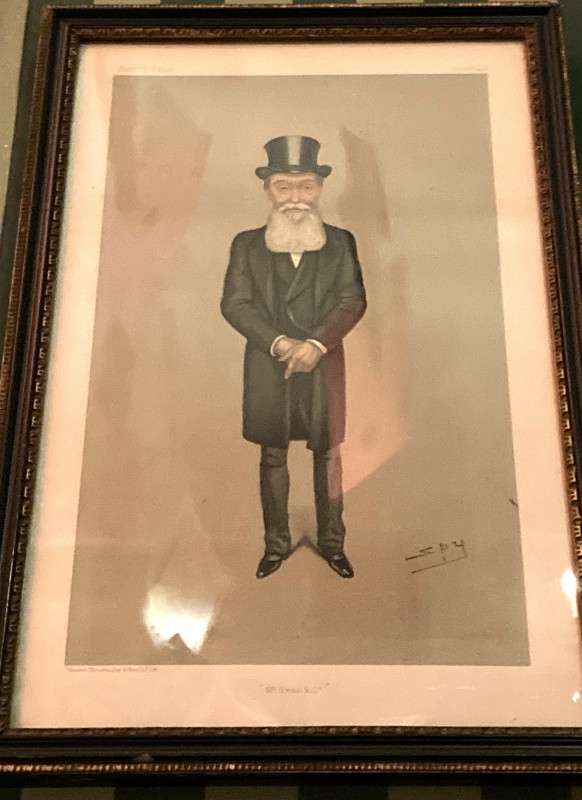 The Rt. Hon William McEwan MP, painted by Sir Leslie Ward, "Spy"
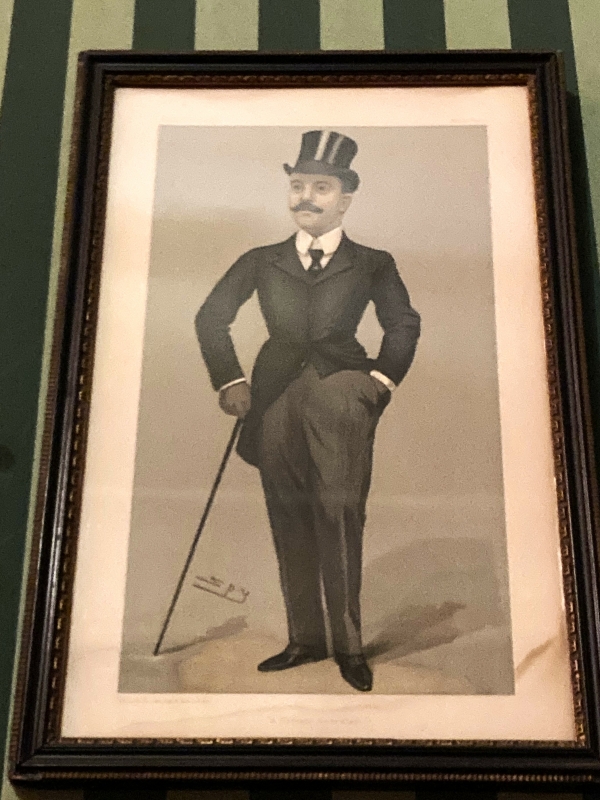 The Hon. Sir Sidney Robert Greville, painted by Sir Leslie Ward, "Spy"
The third caricature was almost totally obscured by Christmas decorations, but the description in the folder showed it to be of King Edward VII. I later downloaded an image of that picture.
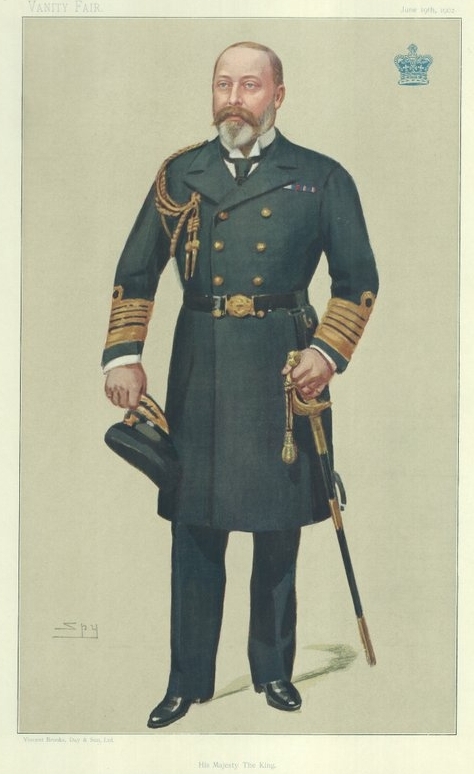 King Edward VII by Sir Leslie Ward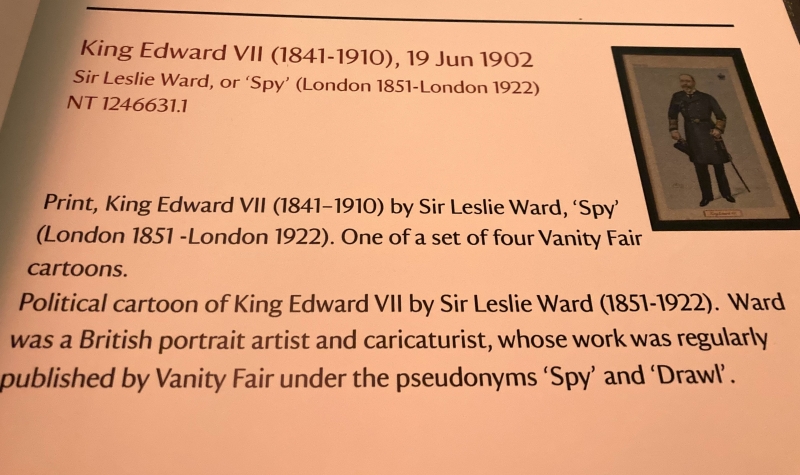
Fascinated by what I had seen on the walls of that room in Polesden Lacey, I then found that the original caricature of Hobart Pasha, a print of which I knew so well from my childhood, is in fact held in the National Portrait Gallery in London, number 179 in a series entitled "Men of the Day", showing that he really was among the top people of his time. What a privilege to live with such history.
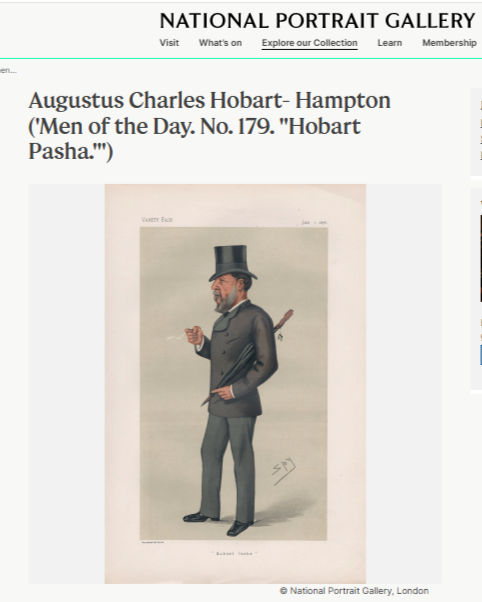 Hobart Pasha, the original painting in the National Portrait Gallery
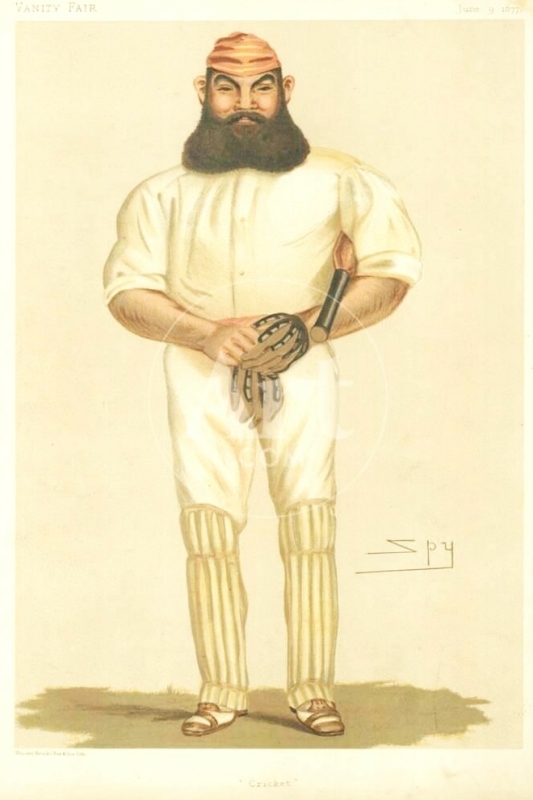 W G Grace by SPY